Why Your Old Solar System is Failing You: The Engineering Gap and the Path to True Independence. When solar energy first hit the Australian mainstream, the promise was simple: "Put panels on your roof and watch your bills disappear." For a while, during the golden age of high feed-in tariffs, that was almost true. But as thousands of homeowners like Will Davies from Carrara have discovered, the solar industry has a hidden flaw—one that is currently costing Australian families thousands of dollars every year. Will’s story is a classic example of why a "standard" solar installation often fails to meet the needs of a modern, high-usage household. In this article, we’ll dive into the technical reasons why old systems are underperforming, why early designs were fundamentally flawed, and how an elite engineering approach is the only way to achieve true energy freedom in 2026.
The Reality of the "Large Household" Challenge
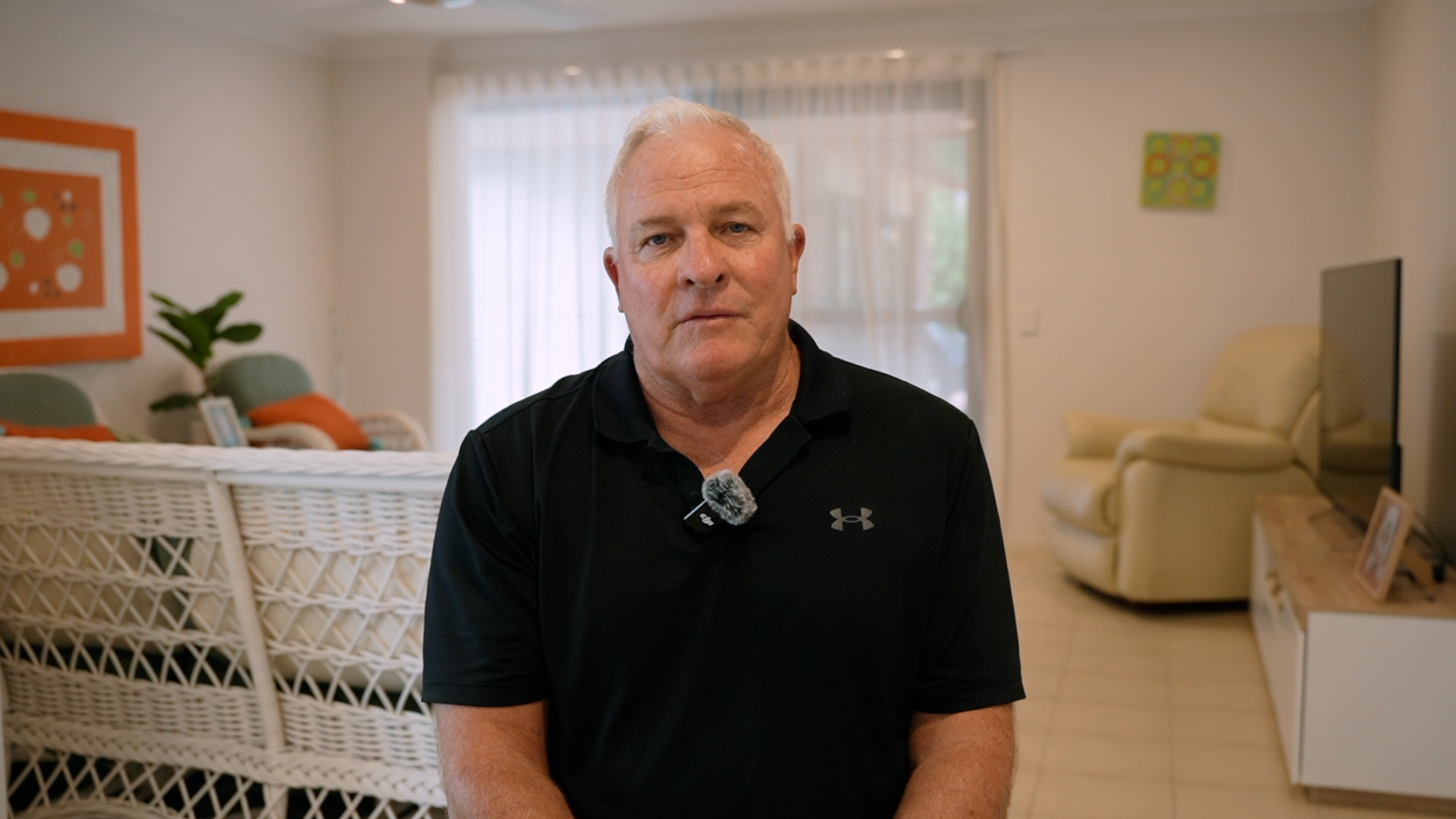
Will lives in Carrara with a bustling household: five to six teenagers and a granny flat with two additional occupants. In the world of energy engineering, this is a "high-load environment." Before partnering with Solar Surge, Will had a 6kW solar system and a 10kWh battery. On paper, that sounds like a decent setup. However, for a family of eight or nine people, it was barely scratching the surface. Despite having solar, Will was still facing quarterly bills of $800+. The Lesson: A "one-size-fits-all" solar package is rarely enough for a real Australian family. If your installer didn't ask you how many people live in your house or what time you run your dishwasher, they didn't design a system—they just sold you hardware.
The Failure of Early Solar Design
Why was Will still paying $800+? To understand this, we have to look at the Engineering Gap.
The 30% Trap In the early days of solar, companies focused solely on Generation. They slapped panels on the roof and called it a day. But panels only solve about 30% of the problem. They produce power when the sun is shining—usually when everyone is at school or work. If you don’t have enough storage to hold that energy until 6:00 PM when the teenagers come home, turn on the air conditioning, start the laundry, and open the fridge for the 20th time, that energy is wasted. It gets sent back to the grid for a measly 3-cent credit, while you buy it back two hours later for 30 cents.
Under-Sizing: The Industry's Dirty Secret Many companies in the past (and unfortunately, many today) under-size systems to make the quote look more attractive. Will’s original 10kWh battery was the "biggest available" five years ago, but for his household, it was like trying to fill a swimming pool with a teacup. It would be depleted by 8:00 PM, leaving the house to run on expensive grid power for the rest of the night.
The Solar Surge Solution: Engineering the Escape
When Will reached out to Solar Surge, we didn't just suggest "more of the same." We looked at the data and realised he needed a massive jump in both generation and storage capacity to "End the Leak."
The 40kWh Upgrade We upgraded Will’s home to a 40kWh battery storage system and a 10kW solar array with a high-performance inverter. Why 40kWh? Because for a household with 8+ people, you need enough "buffer" to get through the peak evening periods and the entire night without ever touching the grid. As Will mentions in his testimonial, his battery is often 100% charged by midday and stays full until the late afternoon peak kicks in. This ensures that even on cloudy days or high-usage nights, the house remains self-sufficient.
Real-Time Monitoring: Knowledge is Power One of Will’s biggest frustrations with his old system was a faulty app. If you can’t see what your system is doing, you can’t manage your habits. At Solar Surge, we prioritize Management. Our smart monitoring apps (like FoxCloud and Elekeeper) give homeowners real-time visibility. Will can now see exactly how much energy is being stored, how much is being used, and—most importantly—how much is not being bought from the grid.
What Homeowners Should Have Done "Early On"
Looking back, Will’s experience offers a vital lesson for anyone considering solar today. If you are "on the fence," here is what you should prioritize from Day 1:
- Don't Settle for "Standard": If you have a large family, a pool, or an electric vehicle, a standard 6kW/10kWh system will leave you disappointed. You need to design for your peak usage, not your average usage.
- Focus on the Battery-to-Solar Ratio: Your battery needs to be large enough to carry your home through the entire night.
- Invest in Elite Engineering: The "tradies" who installed Will’s upgrade were in and out in a day, cleaned up after themselves, and walked him through the app. Professional installation ensures that the hardware actually performs as promised.
The Financial Argument: Increasing Asset Value
Will makes an excellent point at the end of his interview: Solar is an investment in your property. In Queensland, especially on the Gold Coast, a home that is "Grid Independent" is significantly more valuable than one that isn't. As electricity, fuel, and general living costs continue to climb, a house with a 40kWh battery and a $0 power bill is the ultimate luxury. Whether you choose a payment plan or pay upfront, the Return on Investment (ROI) is undeniable. You are essentially pre-paying for 20 years of energy at a fraction of the cost of the grid.
Conclusion: It’s Time for Energy Freedom Will Davies' transition from an $800 quarterly bill to true independence didn't happen by accident. it happened through smart engineering. The "Energy Leak" is real, but it is fixable. If you are tired of paying for power despite having solar panels, or if you want to make sure your first installation is done correctly, it’s time to bridge the engineering gap. As Will says, "If you have the money to put aside... it's definitely worth it for the long term." Stop donating your power to the grid. Start engineering your escape.
👉 Ready to see what a 40kWh system can do for your home? Visit Here today for your free energy audit.